Your Visa Education Centre
Our visa application guides are designed to help African travellers understand visa requirements and prepare more confidently. The TVAA Library brings together step-by-step guidance, explanations, checklists, templates and educational resources designed around the questions and challenges African travellers commonly face.
You do not need to learn everything at once. Start with the area most relevant to your situation, or follow the learning path from the fundamentals through preparation, submission and beyond.
Start here if you are new to visa applications or want to build a stronger understanding of how the visa process works before preparing an application.
Our visa application guides cover key areas of preparation, from understanding requirements and financial evidence to documentation, interviews, refusals and travel planning.
Level 1 Visa Fundamentals
1. Visa Fundamentals
Understand what a visa is, the different types of visas, how visa decisions are made, visa validity, permitted stay, single and multiple entry visas, and the basic responsibilities of every traveller.
2. Purpose of Travel & Choosing the Correct Visa
Learn how your genuine purpose of travel determines the visa category you should apply for, the documents you may need and how your proposed trip should be presented. This section covers common purposes including tourism, business, family visits, conferences, study, medical travel and transit.
3. Understanding Visa Requirements & Documents
Learn how to identify the documents required for your visa category, understand what each document is intended to demonstrate, and organize your supporting evidence properly. This includes passports, application forms, photographs, employment or business evidence, accommodation, travel plans, insurance and other supporting documents.
4. Financial Preparation & Bank Statements
Understand how financial evidence may be assessed in a visa application, including income, regular transactions, savings, trip affordability, sponsorship and significant deposits. Learn how to present your genuine financial circumstances clearly rather than focusing only on the closing balance of your account.
5. Your Personal Story, Home Ties & Return Intent
Learn how your employment, business, family responsibilities, education, property, professional commitments and other genuine circumstances can help explain your situation at home and your reasons for returning after a temporary trip. This section also explains how the different parts of your application should work together to tell one clear and consistent story.
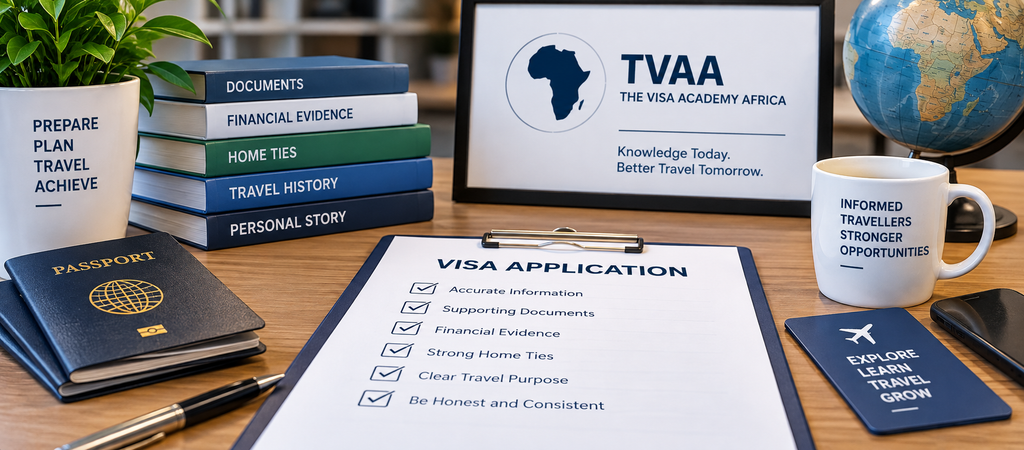
Level 2 — Application Preparation
Move to this level when you understand the fundamentals and are ready to prepare the practical parts of your visa application, organize your evidence and get your application ready for submission.
6. Application Forms & Information Consistency
Learn how to complete visa application forms carefully and ensure that important information such as your employment, income, travel dates, accommodation, sponsorship and travel history remains consistent with your supporting documents.
7. Travel Plans, Accommodation & Itineraries
Learn how to prepare a realistic travel plan that matches the purpose, duration and budget of your trip. Understand how flight itineraries, accommodation arrangements, daily plans and supporting bookings should fit consistently with the information in your application.
8. Cover Letters, Sponsorship & Supporting Letters
Learn when a cover letter or supporting letter may be useful and how to prepare one that explains genuine circumstances clearly without simply repeating the application form. This section also covers sponsorship letters, employer letters, consent letters, invitation letters and other supporting correspondence.
9. Appointments, Biometrics & Document Submission
Understand what happens after your application is prepared, including appointment booking, document submission, biometrics and the practical steps involved at an embassy, consulate or visa application centre. Learn how to prepare for appointment day and avoid common submission mistakes.
10. Visa Interviews & Additional Information Requests
Learn how to prepare for a visa interview when one is required, answer questions truthfully and confidently, and ensure your answers remain consistent with your application. This section also explains how to approach requests from immigration authorities for additional documents or information.
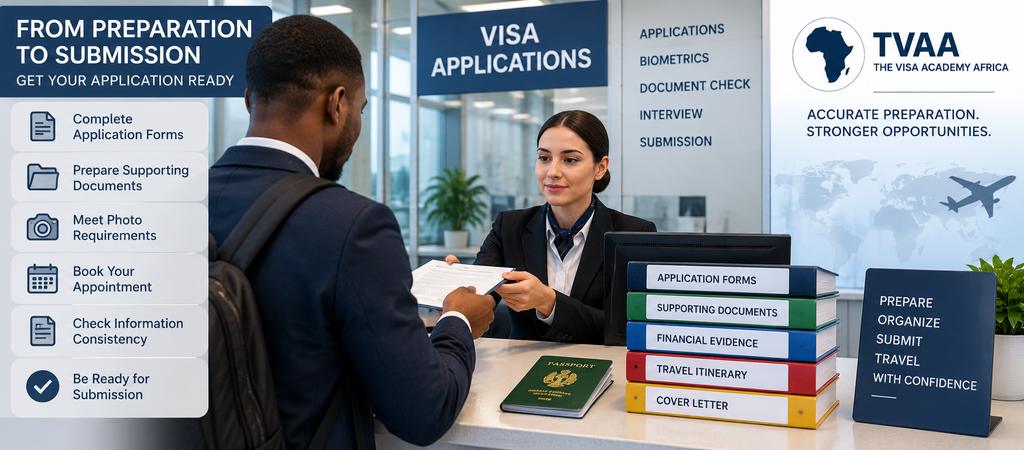
Level 3 — Decisions, Refusals & Future Travel
This level helps you understand what happens after submission, how to deal responsibly with visa decisions, learn from refusals and prepare more effectively for future international travel.
11. Visa Decisions, Passport Collection & Understanding Your Visa
Learn what to do when a decision is made, how passport collection or delivery works, and how to read the information on an issued visa correctly. Understand visa validity, permitted duration of stay, number of entries and the importance of checking the visa details before travelling.
12. Visa Refusals & Understanding What Went Wrong
Learn how to read a visa refusal decision carefully, identify the concerns raised by the decision-maker and distinguish between problems that can be corrected and circumstances that may require more time or stronger evidence. A refusal should be analysed before deciding whether to reapply, appeal or take another available step.
13. Reapplication, Appeals & Reconsideration
Understand the possible next steps after a refusal and why immediately submitting the same application again may not solve the problem. Learn how to evaluate whether reapplication, an appeal, administrative review, reconsideration or waiting until your circumstances improve may be appropriate, depending on the visa system and your individual case.
14. Preparing for Travel & Border Entry
Visa approval is not the end of travel preparation. Learn what documents to carry, how to prepare for immigration and border checks, and why travellers should understand the conditions attached to their visas. This section also covers practical preparation before departure and responsible use of an issued visa.
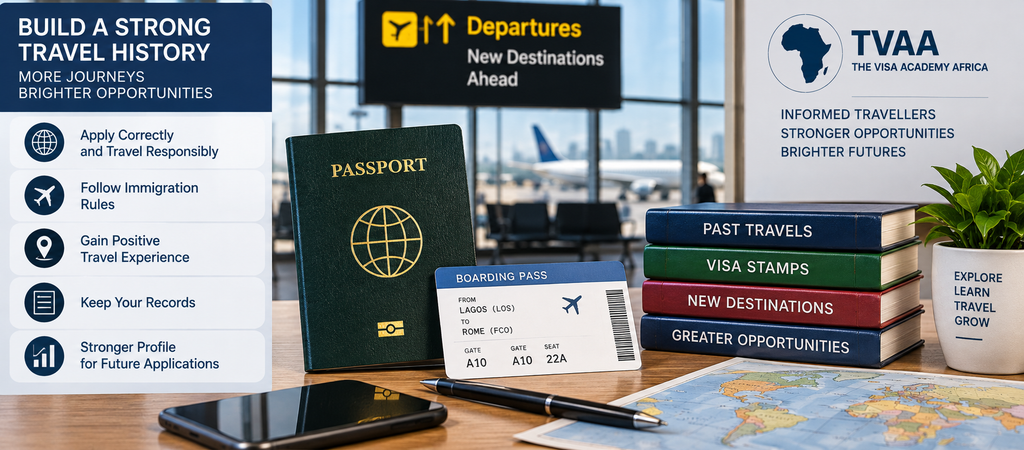
15. Building a Strong Travel History & Future Applications
Learn how responsible international travel can contribute to your future visa profile. Understand the importance of respecting visa conditions, avoiding overstays, keeping useful travel records and approaching each future application according to your circumstances at that time rather than assuming that previous visa approval guarantees another approval.
Continue Your Visa Preparation
Ready to continue? Explore our Country Guides for destination-specific visa information, or visit our Consultation page if you need personalized support with your visa preparation.